Times of Unauthorized Occupancy:
A Restated History of Treasure Hill
Artist︱ Joyce HO
Curator︱ HSU Fong-Ray
Date︱ 2017.02.25 - 2017.12.31
Venue︱ Treasure Hill Artist Village
Organized by︱ Treasure Hill Artist Village
Curatorial Statement
“History is a shifting, problematic discourse, ostensibly about an aspect of the world, the past... but which in actuality generally what history is correspond to a range of power bases that exist at any given moment and which structure and distribute the meanings of histories along a dominant-marginal spectrum.”--Keith Jenkins
The core of Times of Unauthorized Occupancy is marked in its subtitle: history, which is restated by arts. Treasure Hill has been under rule of the Qing Dynasty, Japan, the Nationalist government and Republic of China. The history has marked its geographical traces on the buildings. Echoing in the lanes, the silent traces await to be recalled. In 2004, Treasure Hill was the first neighborhood to be officially registered as a historical community of Taipei. In 2006, OURs and the Department of Cultural Affairs initiated the program of “symbiosis,” which gave birth to the Artist Village. The residency artists create alongside with local residents. Together they form an artistic symbiosis and this continues as the mission of the Taipei Artist Village and Treasure Hill nowadays.
Authors
What is the key question of this exhibition? “Whose history is it?” is preferred to “what is history?” The question draws attention to Jenkins’ quote, where history as a shifting discourse in postmodernism questions the reality stressed by conventional historians. Reality itself changes constantly with time. With this condition, empiricists still yet believe firmly that objectivity can be achieved with careful methods. Often a biased conclusion is the outcome because history cannot be approached with epistemology. Historical materials are silent in the traditional historical studies. Although the authors might reconstruct or represent the past using the same materials, their writing is affected by their consciousness and would vary greatly. The languages and words utilized by the authors do not resemble those of the past, nor reveal the historical truth. The written history turns into a literary work and the writing of the past. The written history was constructed by the authors, who, instead of discovering, assigned a meaning to history. Writing, the structure of which supported by subjectivity and power, dominates and expunges meanings. History after historicization is an expression of ideologies and political power.
With the new question, we uncover the suspense and contradiction within history. The interpretation of the controversial question changes with different groups. For instance, in the governmental discourse, history should be free of conflicts, pain and impurities. For the residents in Taipei, history should bring peace. For residents in Treasure Hill, history should provide the stability for the residents. For activists, history provides schemes and strategies needed in a revolution. Each group tries to pinpoint the present with history, gaining its legitimacy of the present and the future. Yet, isn’t gaining legitimacy with history a product of power struggles? The struggles steer history into a mechanism of knowledge and power. Knowing that the truth is unachievable, groups who wish to support their ideologies and legitimacy would still deconstruct the discourse. The truth in writing grows into conception and flows in the cracks of the tumbling traditional historical studies. Only with contemporary lexicon can new history get written down.
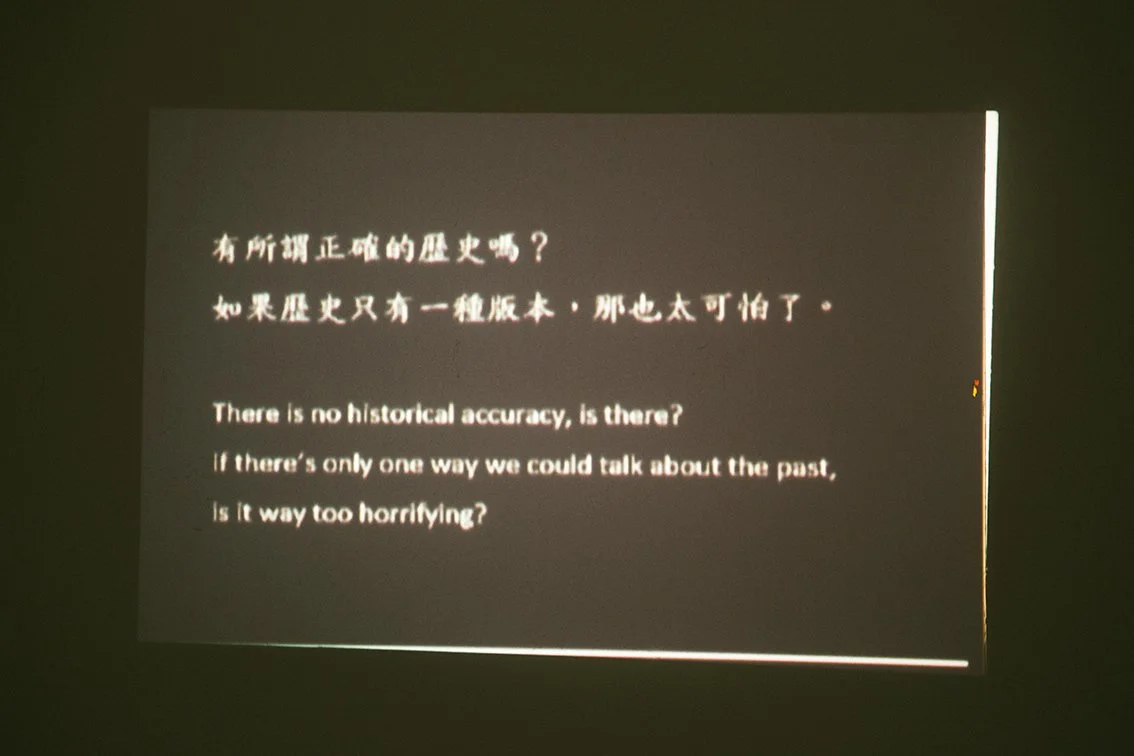
In order to have the present anchored by history, the difference between past and history needs to be clarified. Historical writing only covers a small number of the historical incidents. They do not represent the grand, comprehensive and complete past. Accuracy of accounts relies on the writing and interpretation of history. Yet, there are no truthful accounts nor accuracy in history. There is a lack of standard for verifying the accuracy of historical accounts. It is once again proven that the history learned from reading is based in text and history is always trapped in the structure of words and languages. The past once gone becomes a memory rather than an account. The past is established by individuals who took part in it using their recognition and perception. The gone past could only be recalled in memory. When historical documents and materials are presented as proof and sources of legitimacy, the oppression of history occurs. The oppression and anxiety are supported by historical documents and materials. However, are these materials the so-called truth? The effort to seek truth is likely vain. The lost pieces in history destabilize its structure, which makes interpretations on history necessary. Interpretations are meant to provide an objective view on history. Paradoxically, once the interpretations are made, objectivity is counteracted. Only when the ideological methods and the dominance of historical writing are abandoned could the oppression be removed. In order to lead the way to real emancipation and democracy, an understanding of historical structure, reflection on collective memory of social formation, and a brave relief from historical burden are required.
Times of Unauthorized Occupancy
With a long gone past, Treasure Hill stands as a reminder of the prolonged and complicated history of the modern Taiwanese subjectivity. The word “modern” refers to the dramatic difference between past and present; traditional and contemporary. A touch of nostalgia is revealed when stress is put onto the prominent difference and lost memory. Modern society could not stride forward without looking back to the past. Pain inflicted by the difference runs endlessly. When writing becomes metafictional, lamentation is the outcome. Yet only with writing, memories leave tangible traces or scars to be forgotten.
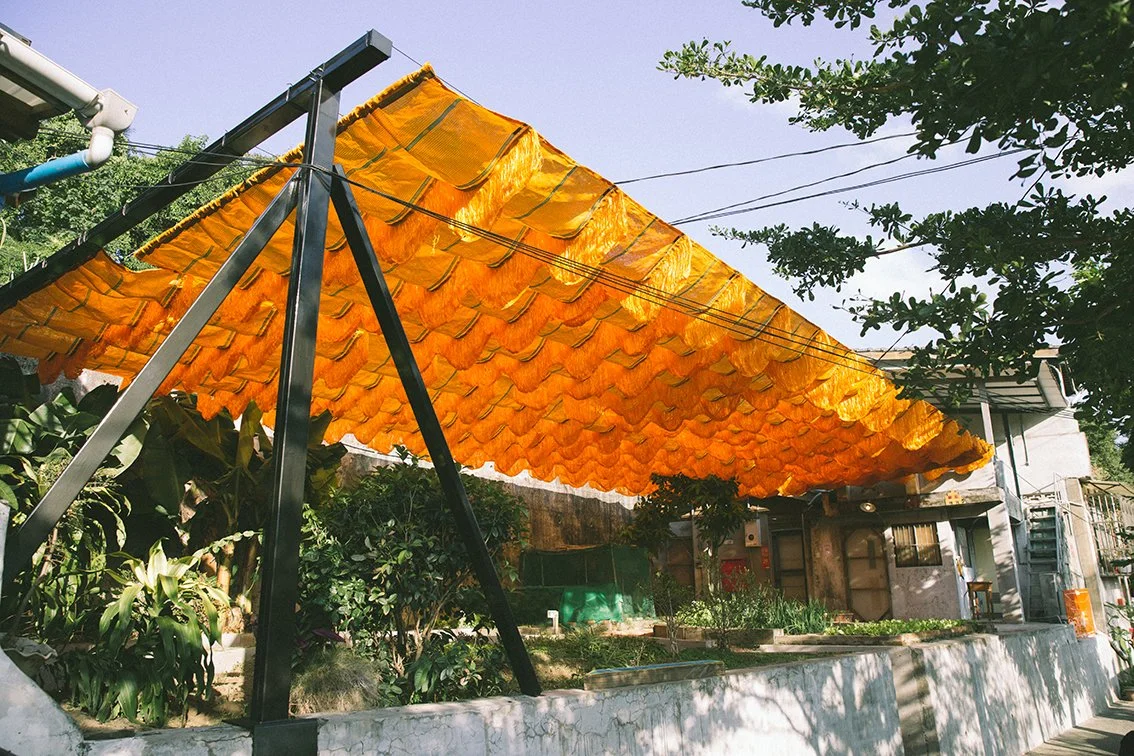
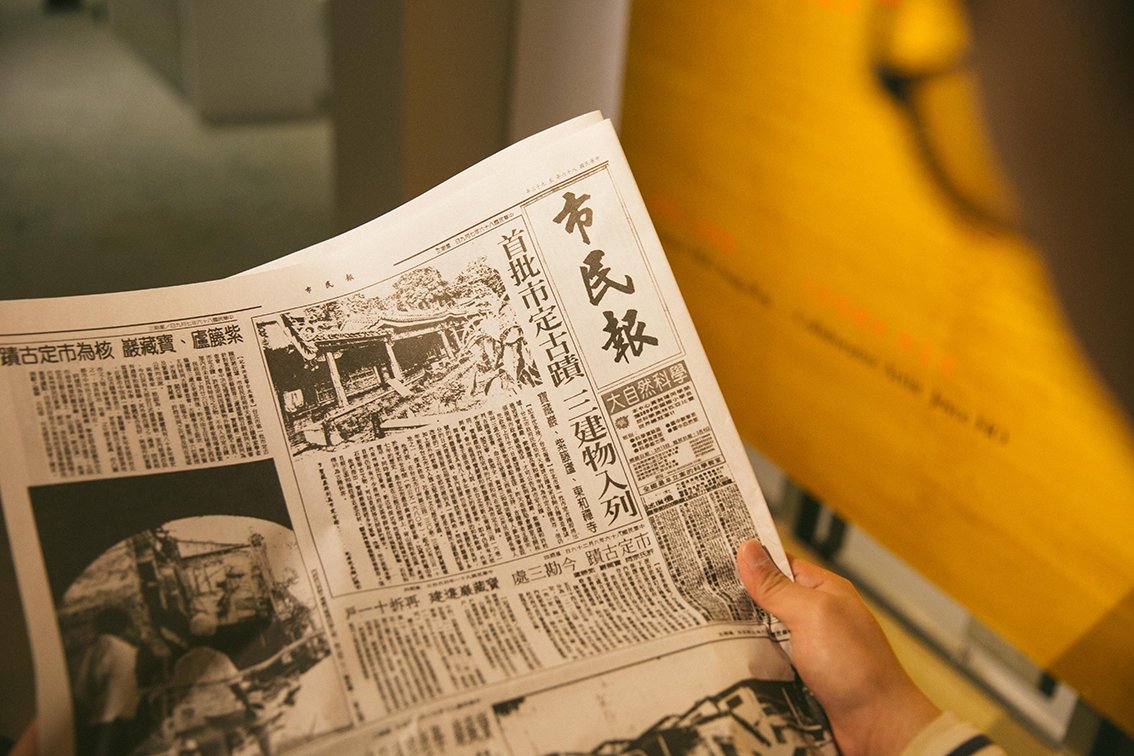
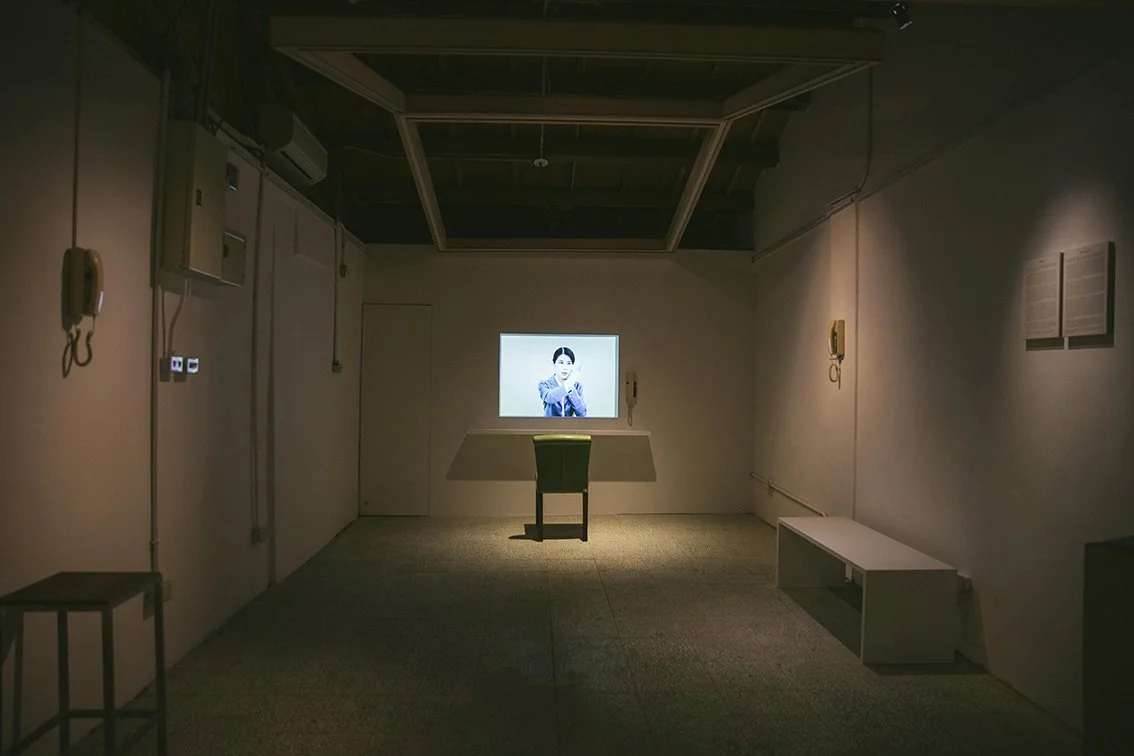
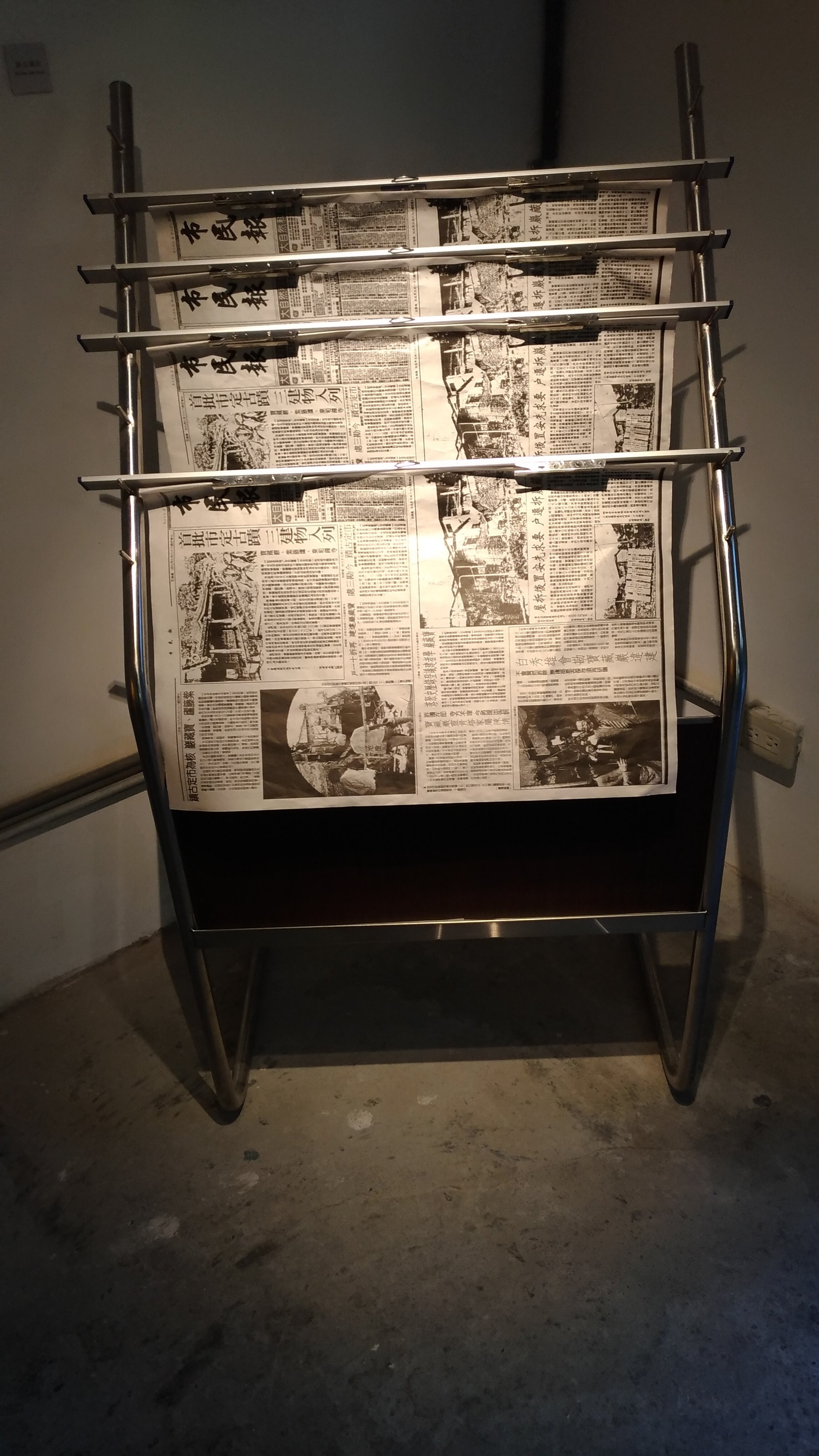
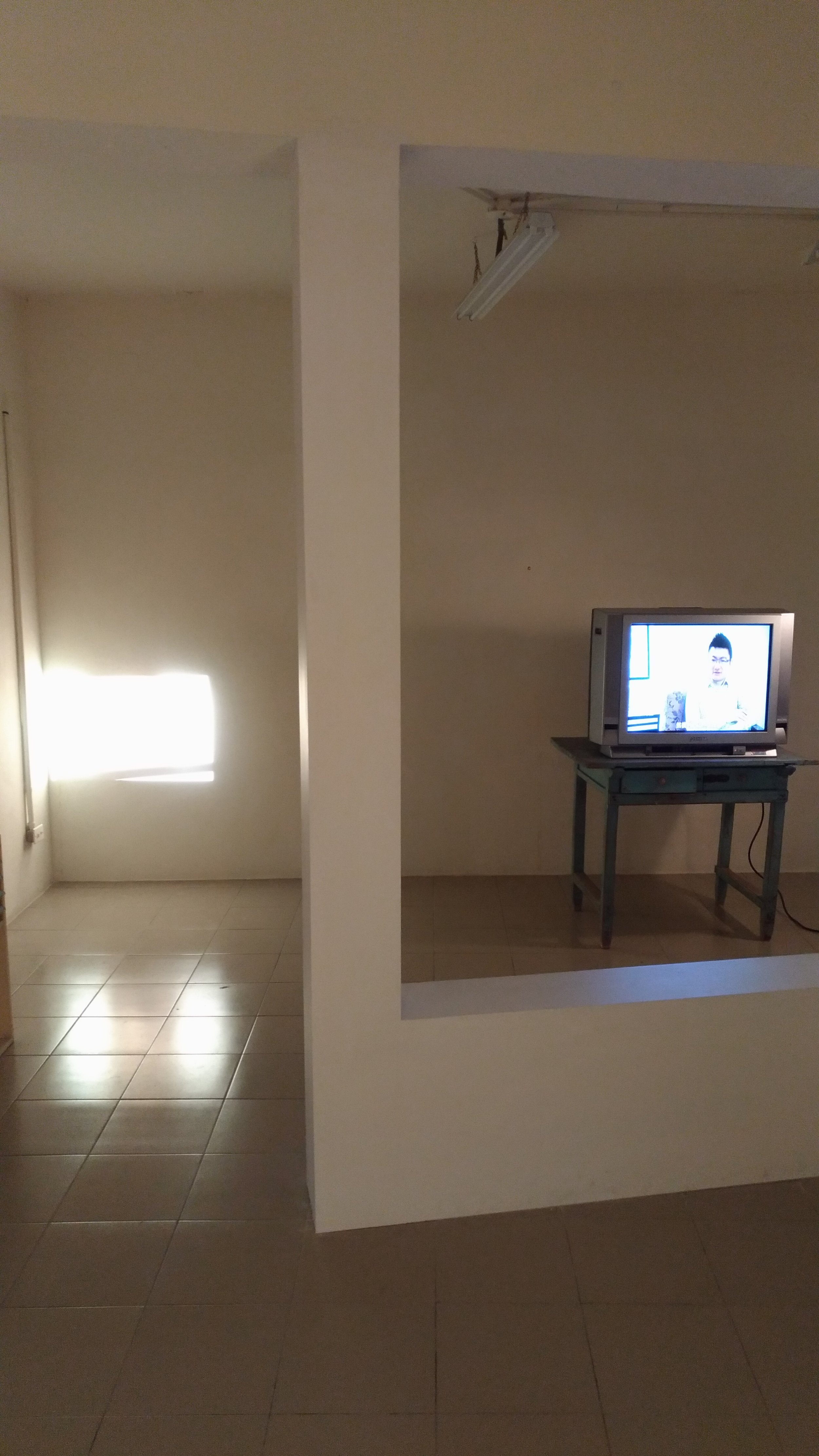
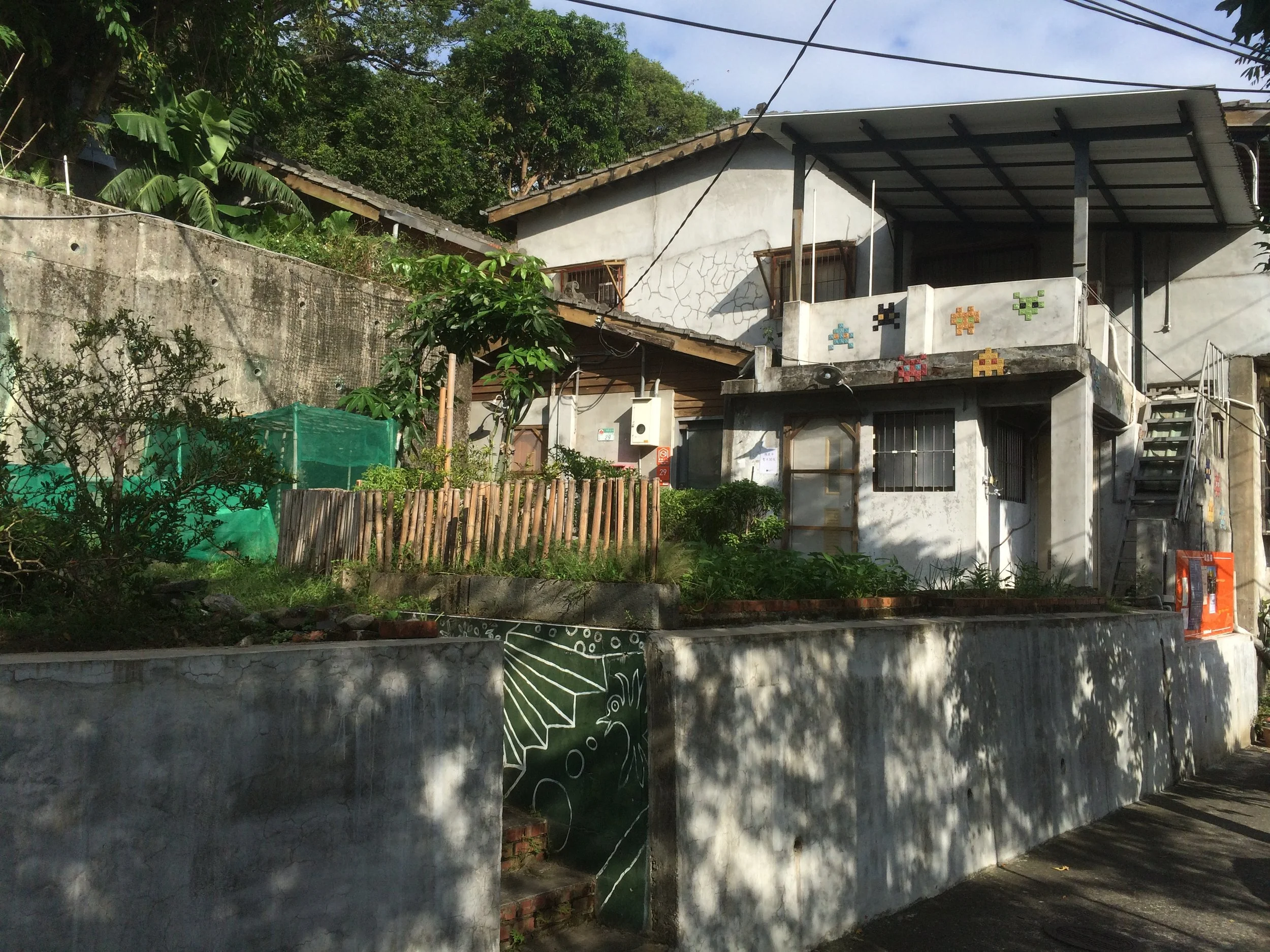
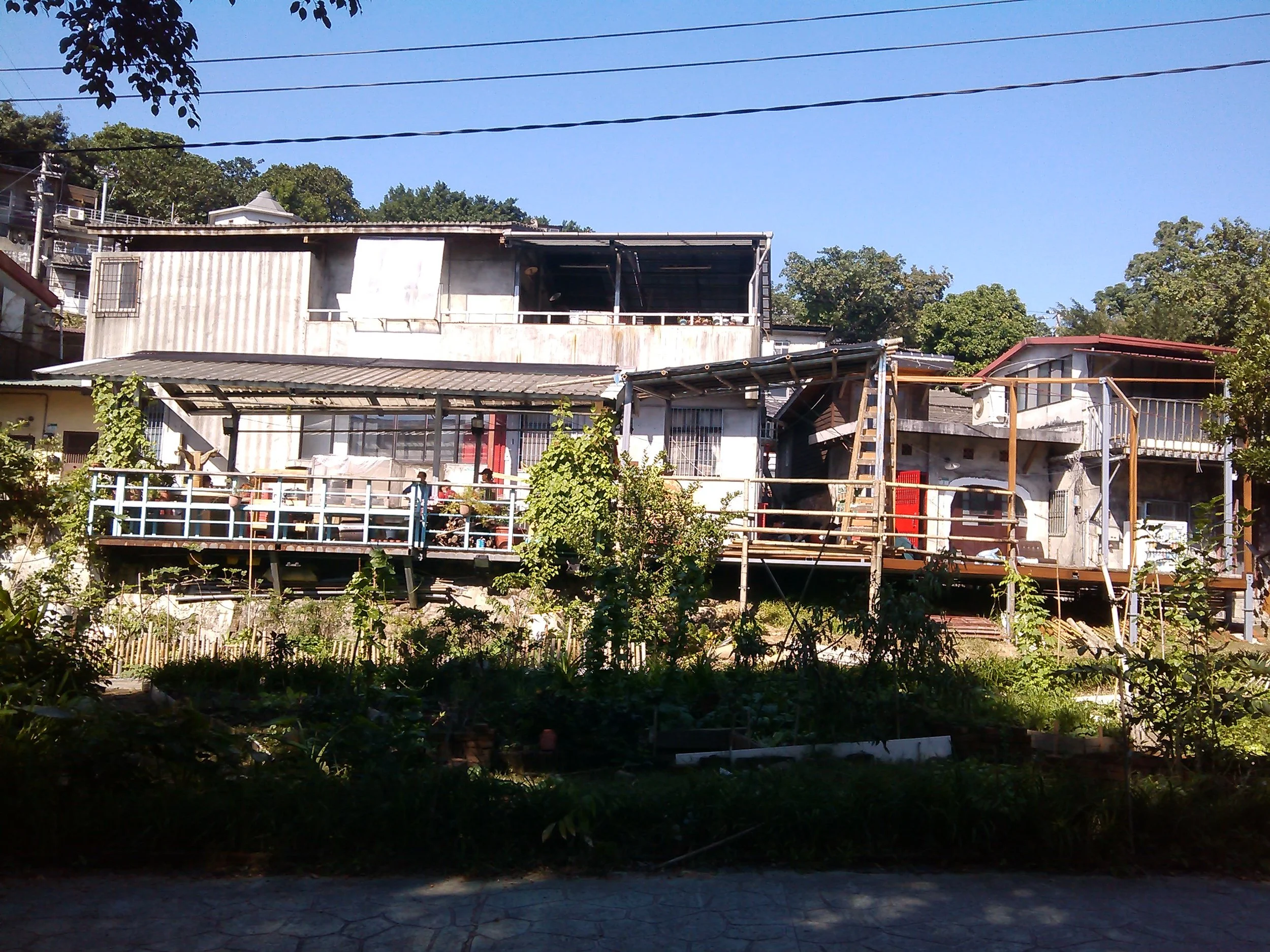
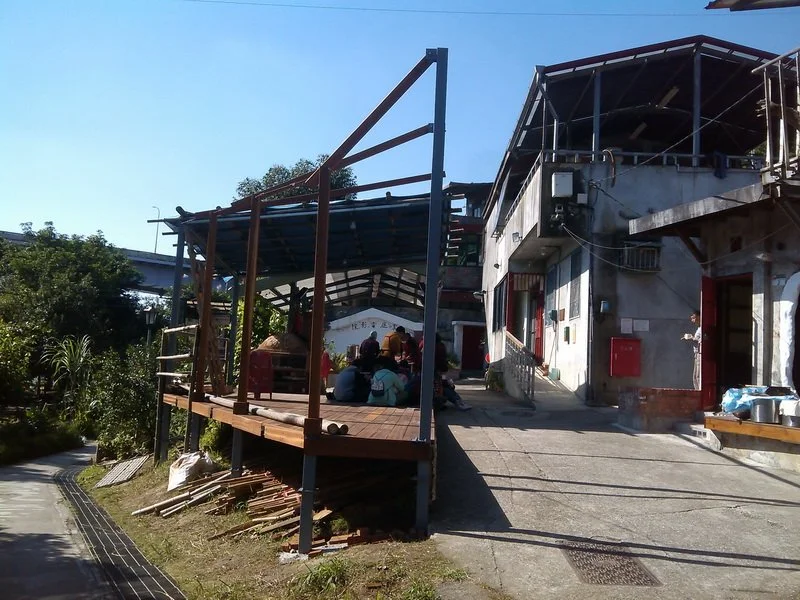
In the exhibition of Times of Unauthorized Occupancy, the curatorial concept consists in two parts. Theoretically, history as deconstruction stands for the level of discourse; methodologically, the visualization of curating integrates the concept of spatial field with the concept of visual experience. Starting with refurbishing the vegetable garden and courtyard outside the Treasure Hill No.29, the curator plans to lay pavement bricks and creates terrazzo flooring in attempt to separate the space between private and exhibition by function. Also, a newly built shade nets and a planting design broaden the daily recreational and functional public space for the residents. The approachability of the space is always a key access for viewers to get familiar with it. It’s not only an experience of body involvement, but also a visual formation from mechanism. At the entrance of Treasure Hill No.29, a scene in Someday in Treasure Hill by artist Joyce Ho is appropriated. An actor who seems to be a customer service representative whispers into the phone behind the glass the history and face of Treasure Hill. Without emphasizing the existence of Treasure Hill but telling the story of this place, the artist uses Treasure Hill as an epitome implicating the modernization in Taiwan. This indicates the attitude the Artist takes to respond the theory of historical writing, and also the challenges she raises to against the ideologies and political forces manipulating the historical writing. Apart from the certain viewer sitting in front of the installation, others could still spy the conversation as a spectator through other hanging phones on wall. The varieties of the viewing spots provide different viewpoints, positions, and the depth of time to sense the dramatic experience. Furthermore, it opens up a mental space multiply the corporeality of the listeners and viewers, providing a chance to imagine the spatial field as well as consider the subjectivity of history. In the corner of the room placed the tailor-made newspaper, The Citizen, using historical news articles of Treasure Hill. The Citizen compiles articles on the urban planning at Treasure Hill and the issues and incidents related to public interest. The large number of articles compiled chronically might seem objective but actually they indicate the ideologies of the government and the society in face of Treasure Hill. The viewers enter a domain that somewhat concerns each citizens. In the exhibition, the viewers get to understand the evolving modern subjectivity of Treasure Hill. Once the linearity in history is deconstructed, the issues and incidents are broken down to pieces where spectra shine through. The art work integrates history into public space, where the past not lived could be reflected and gazed by the viewers.
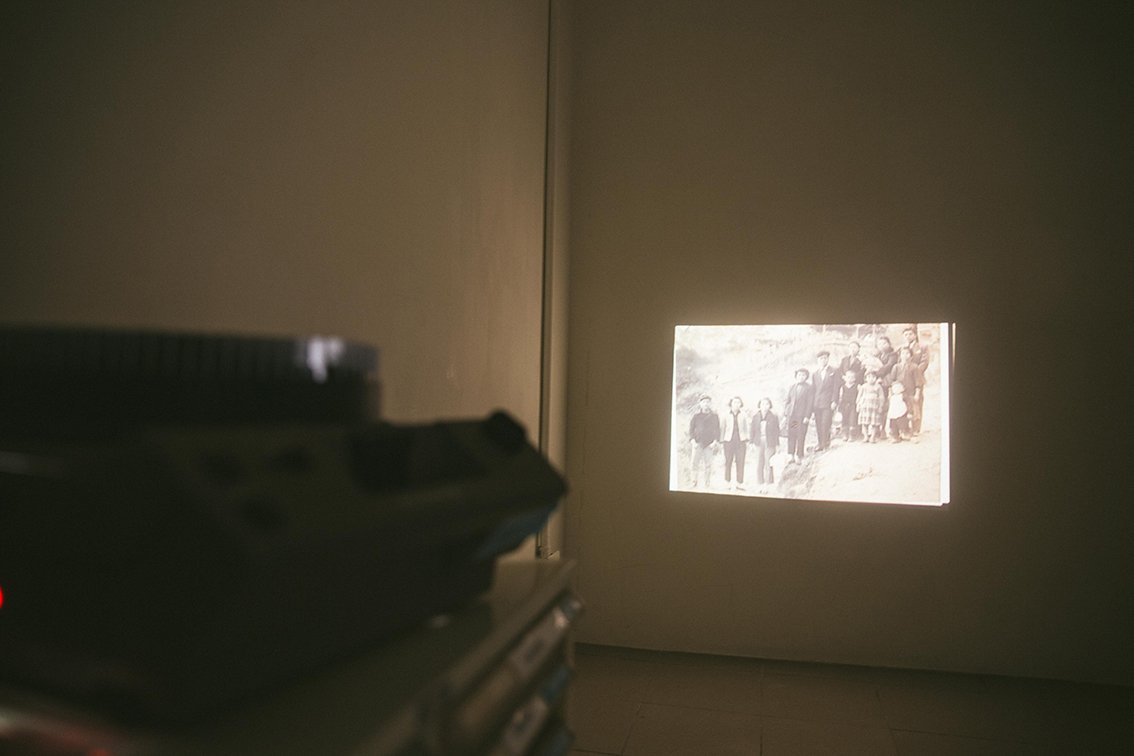
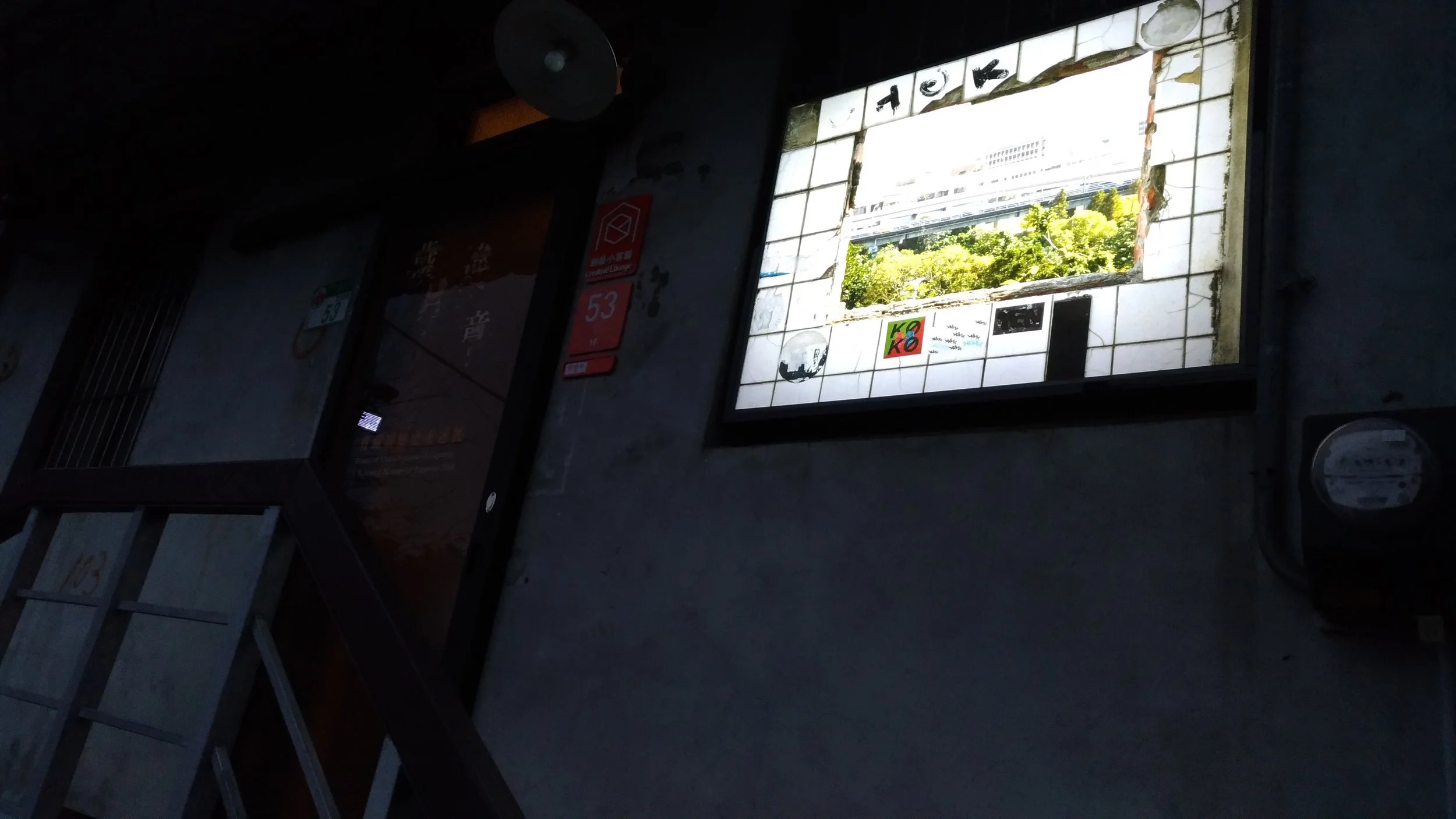
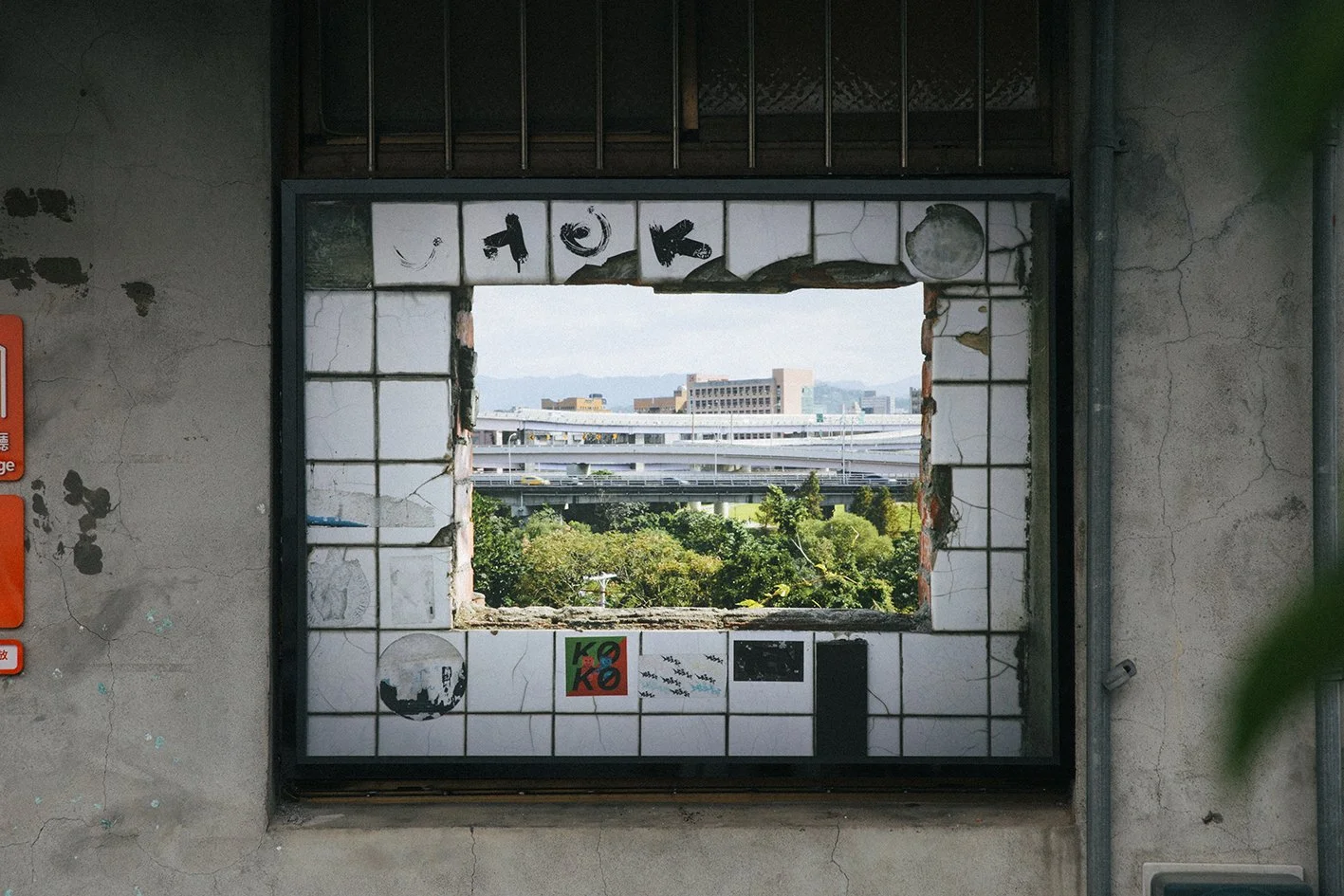
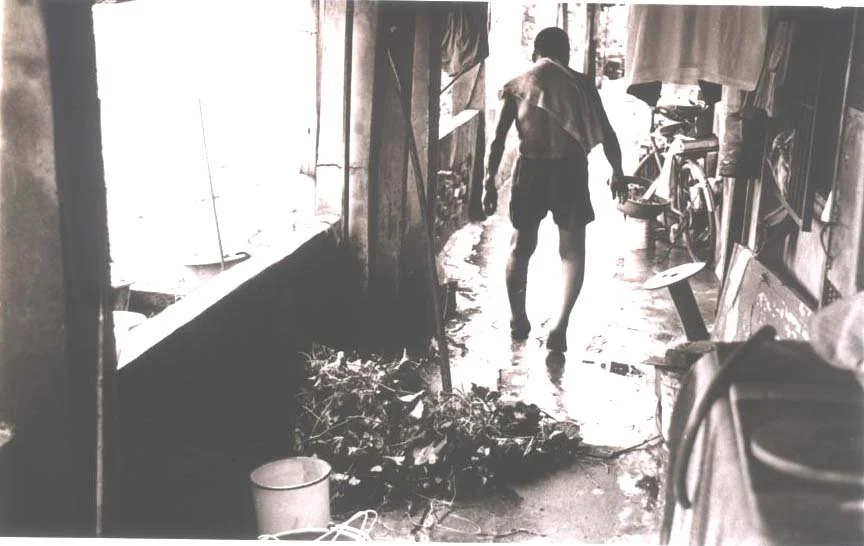
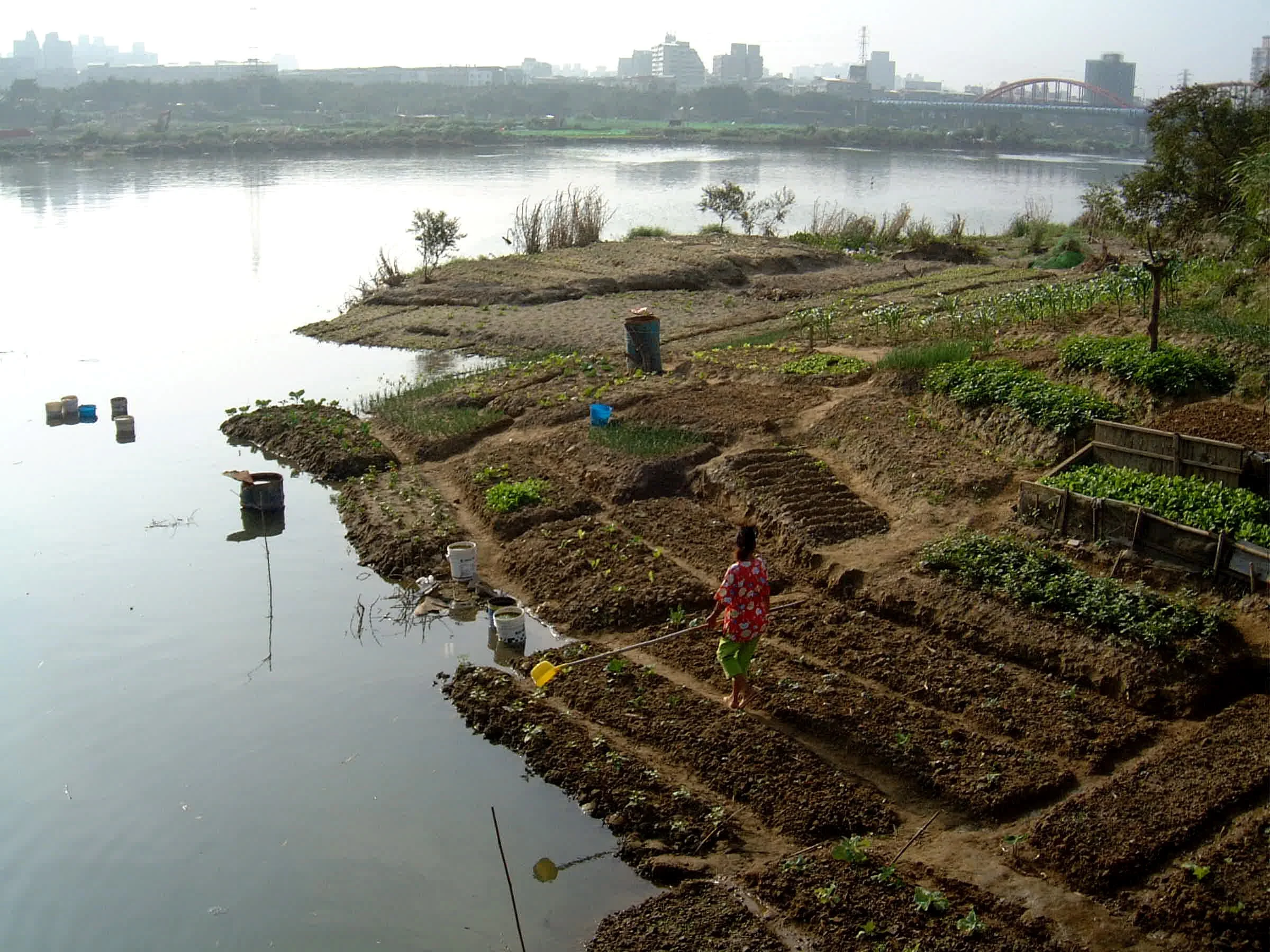
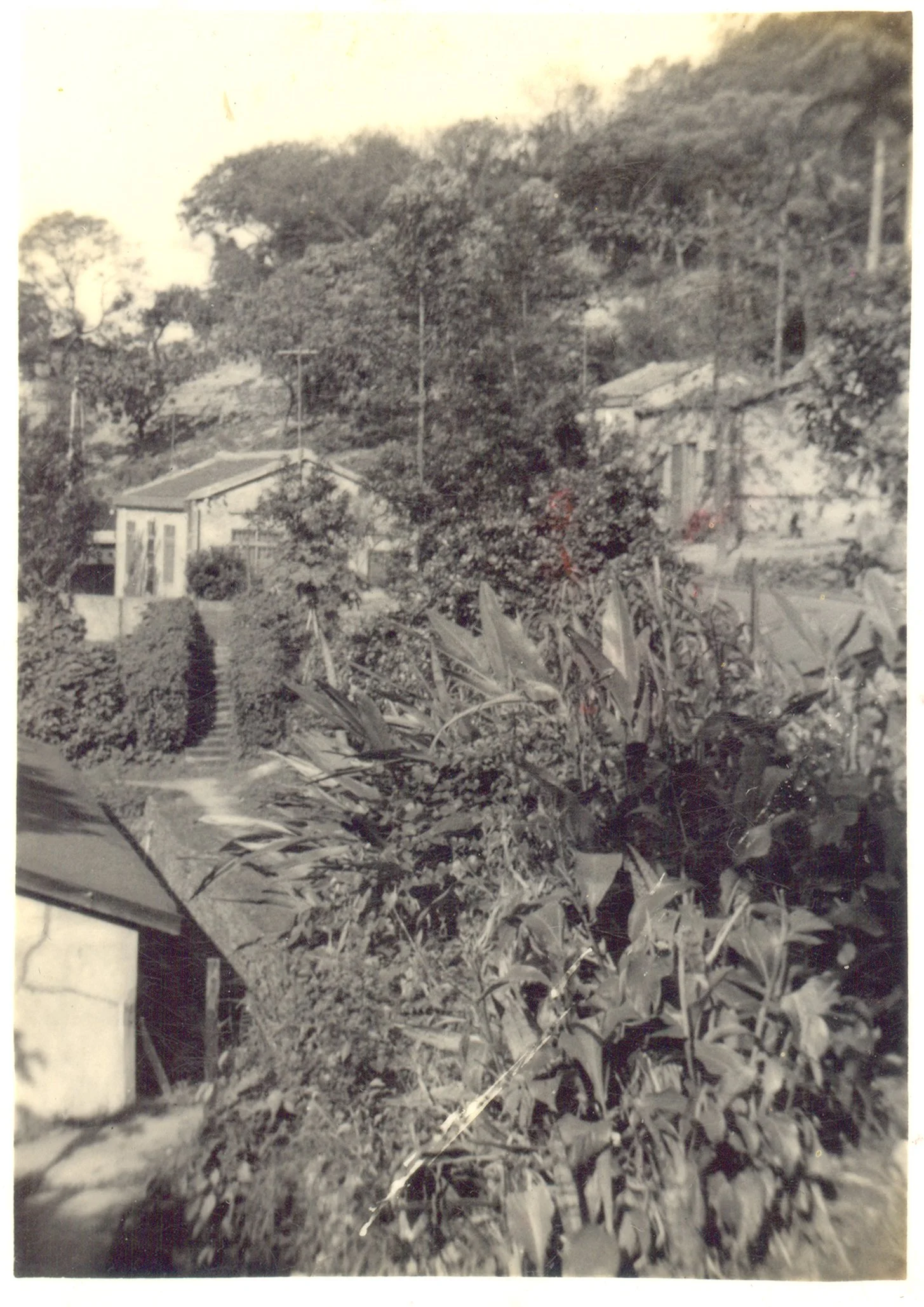
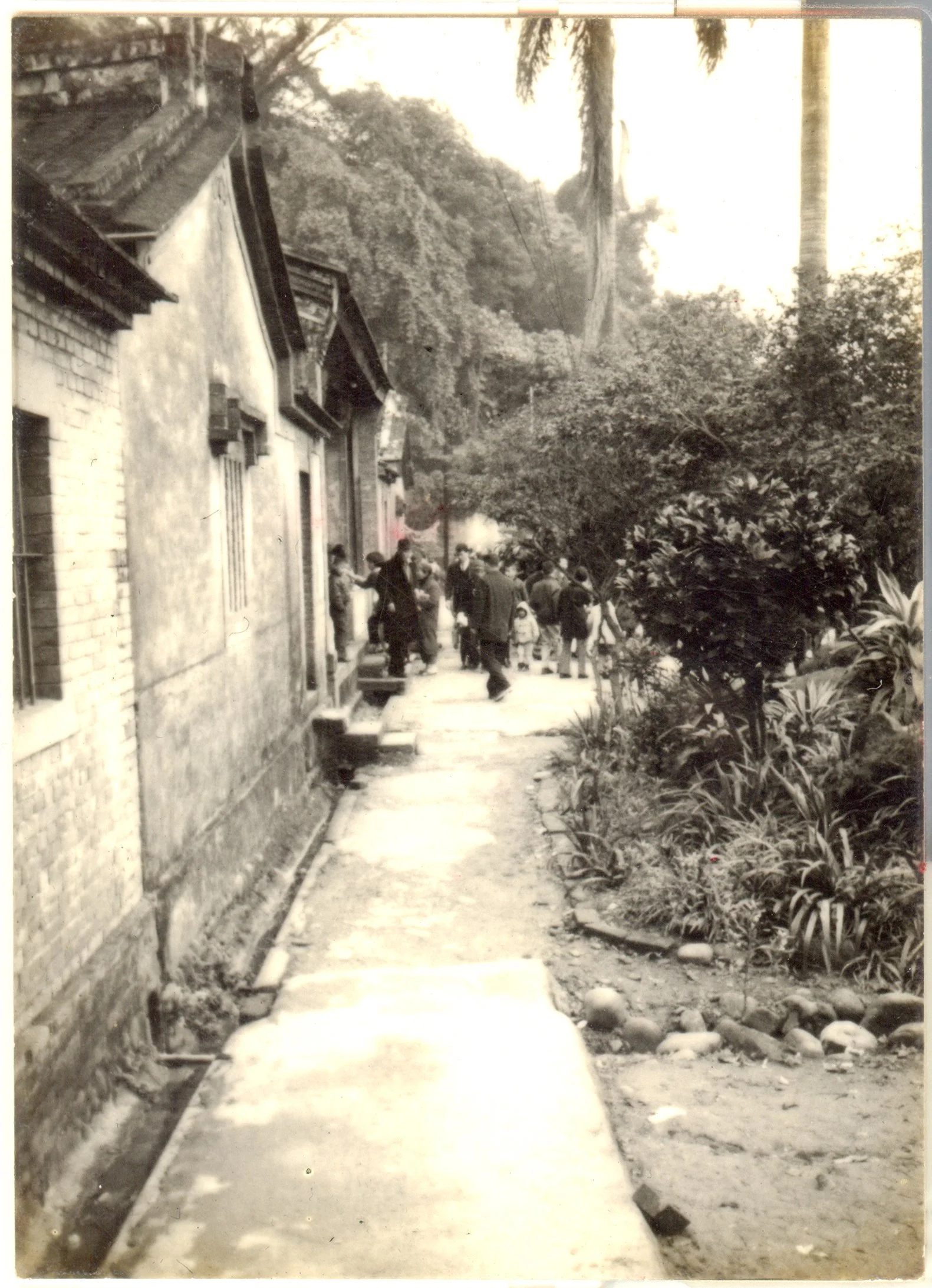
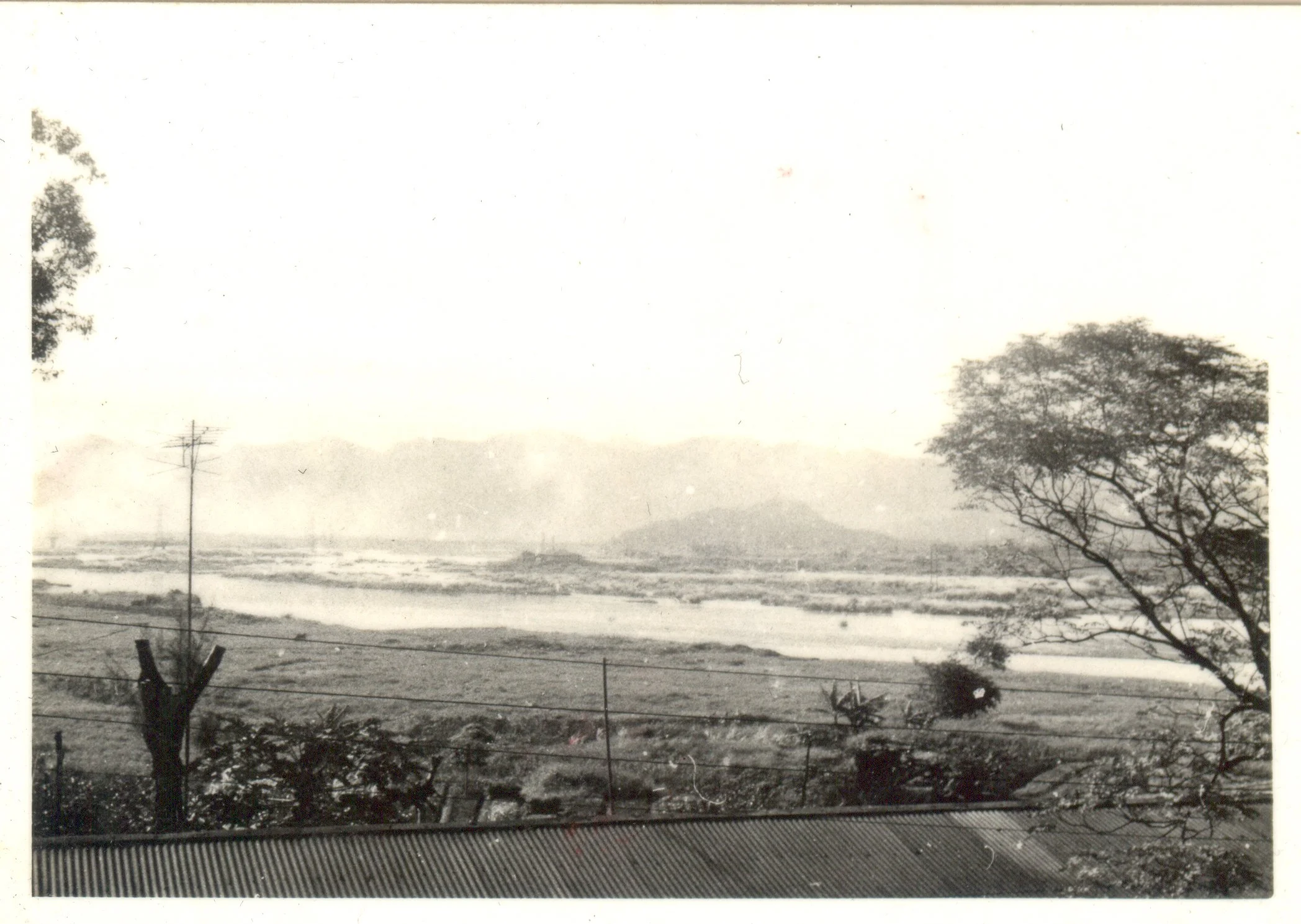
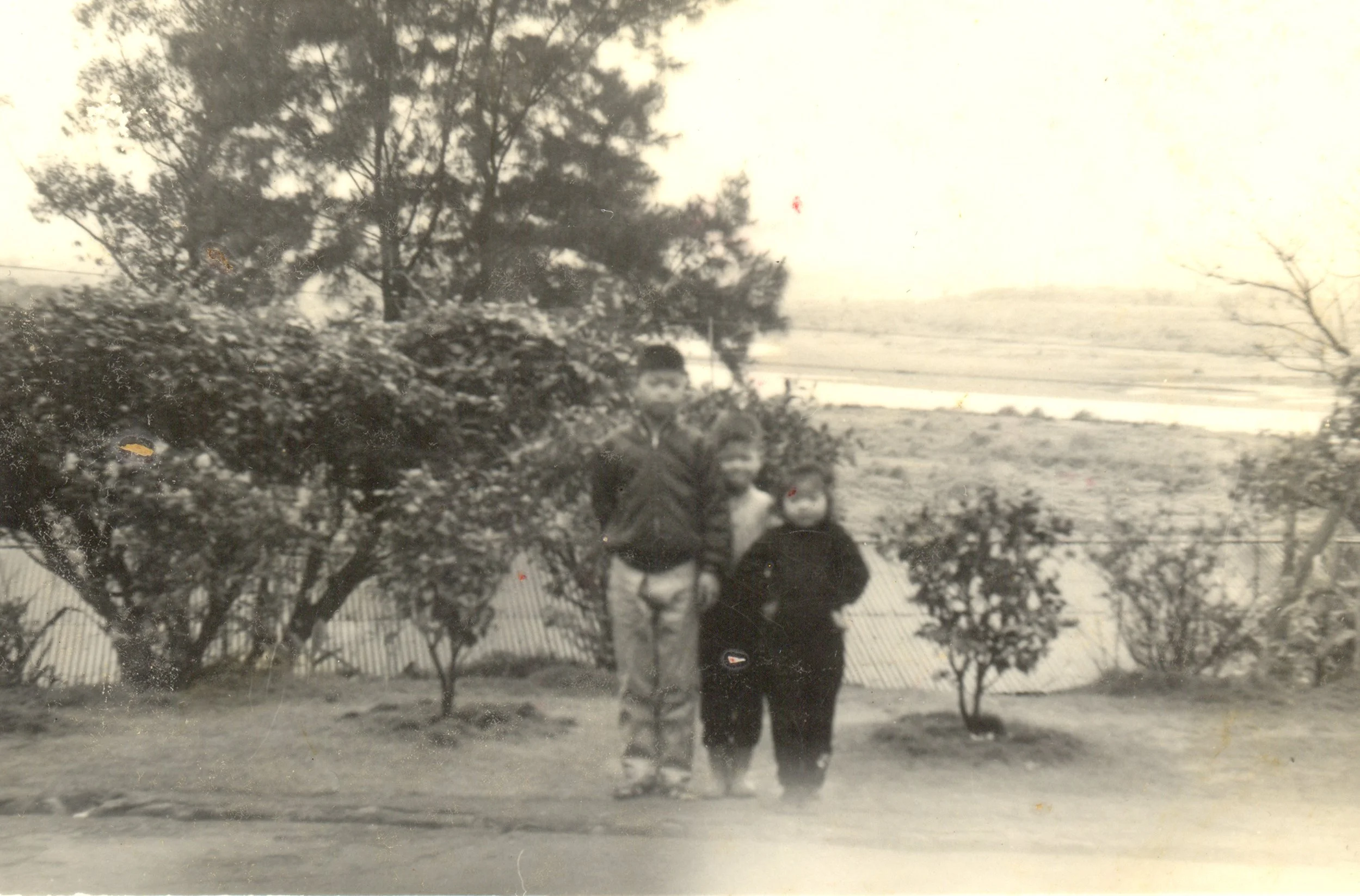
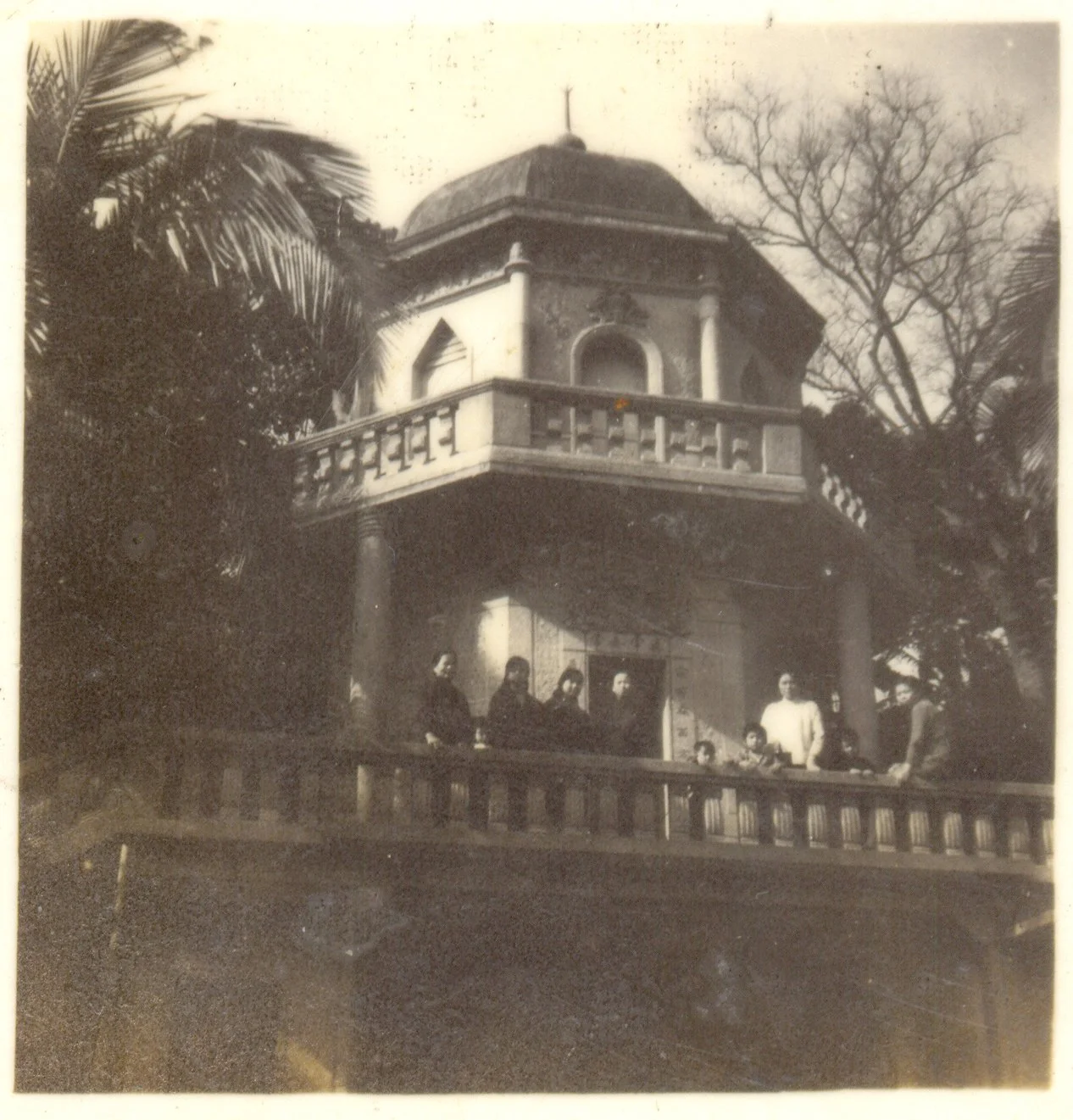
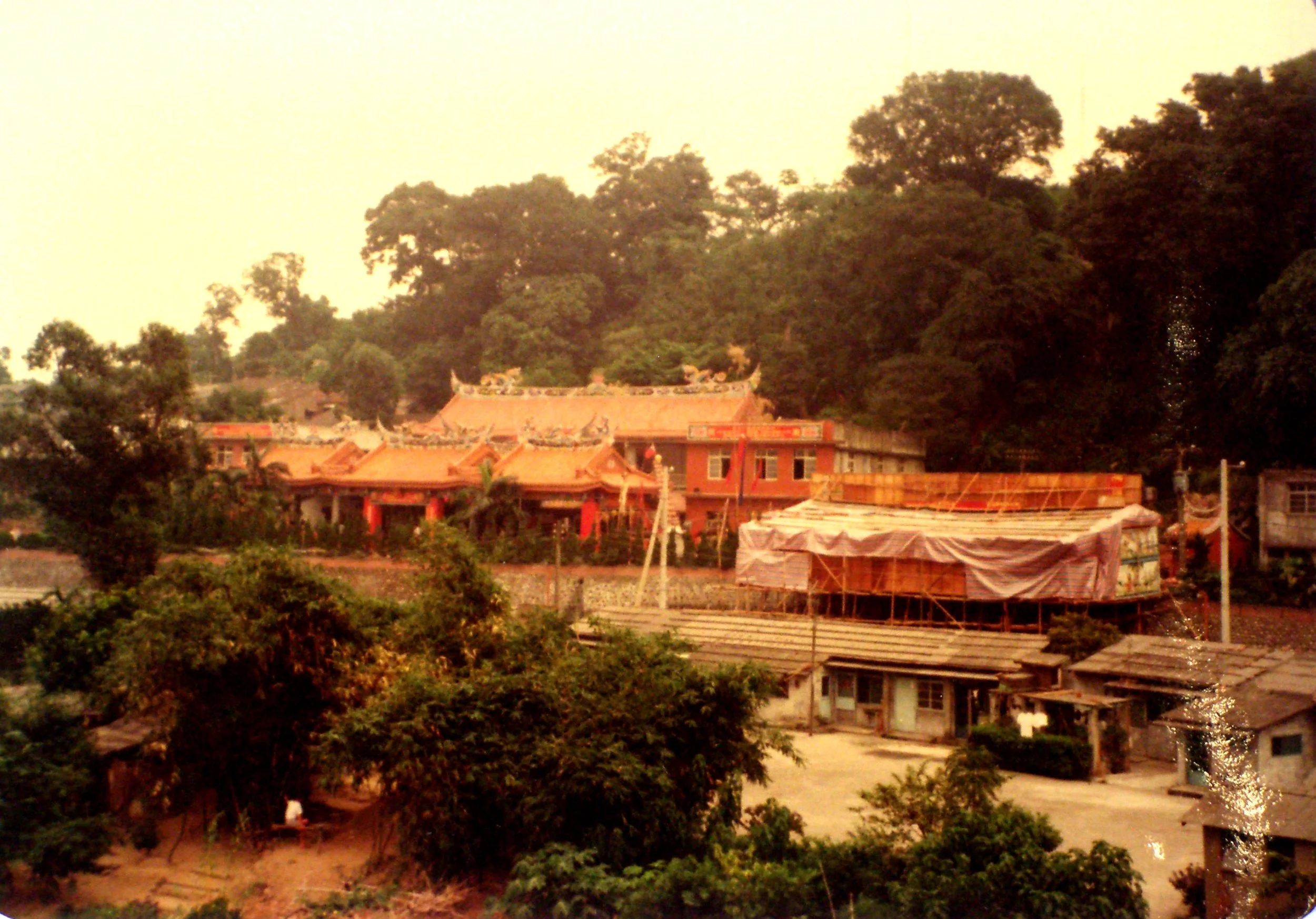
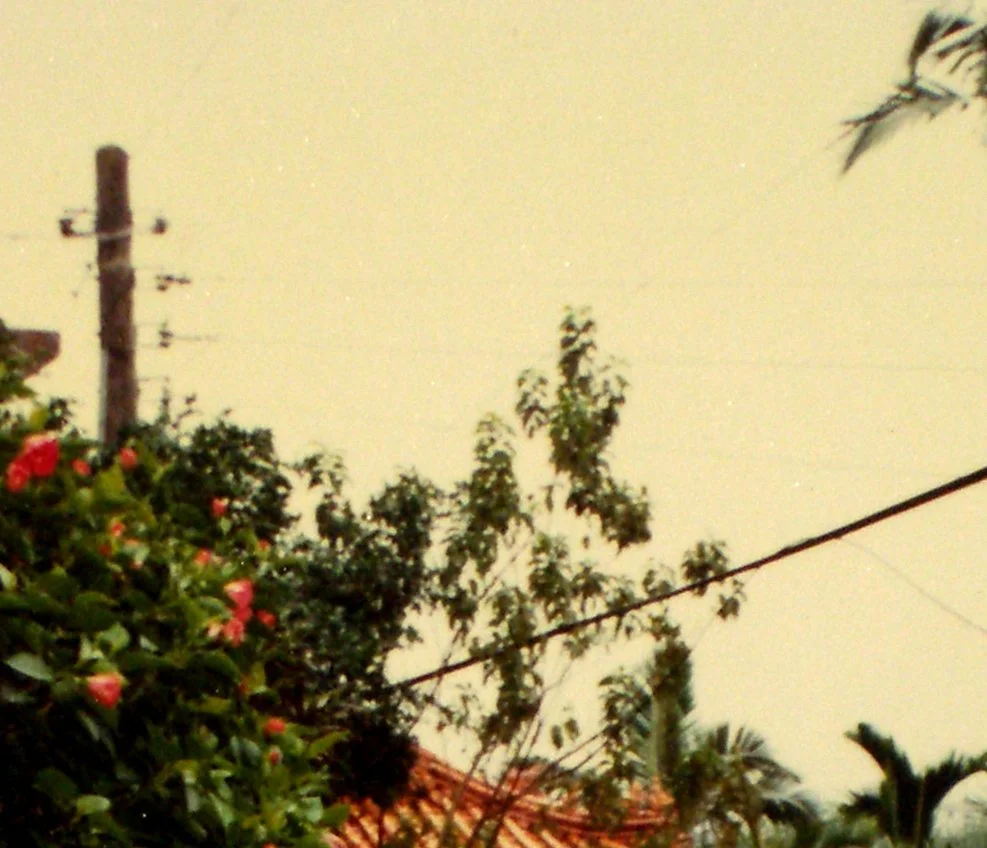
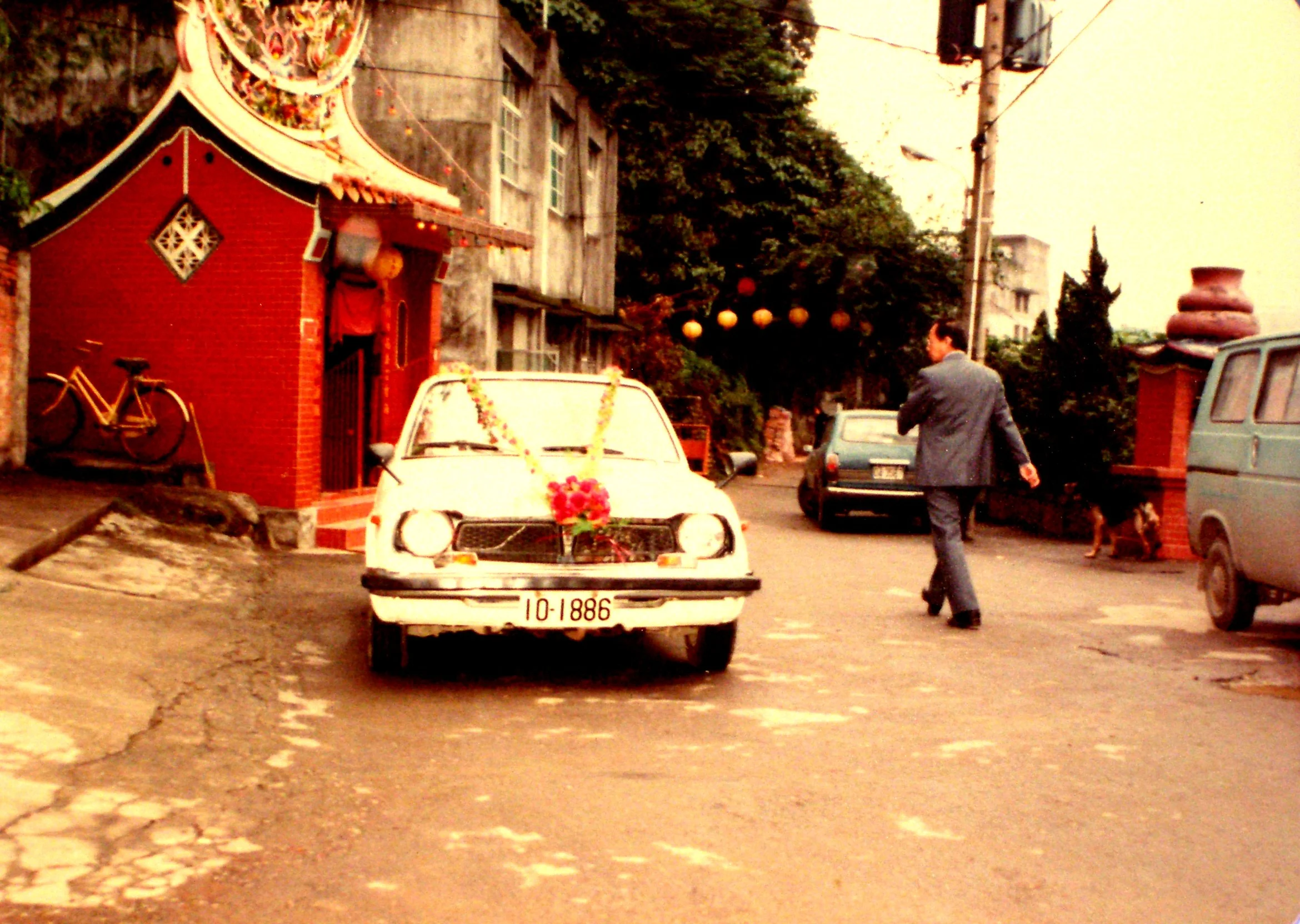
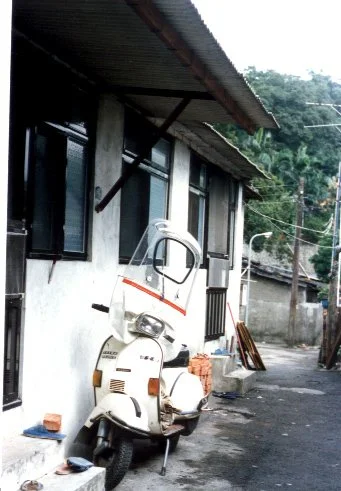
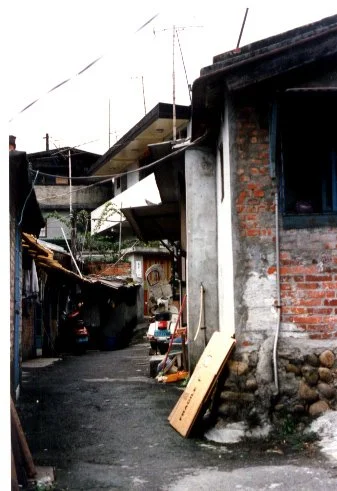
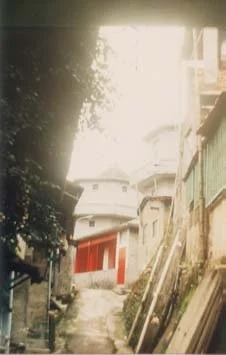
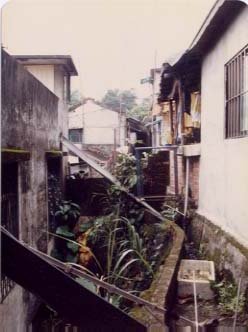
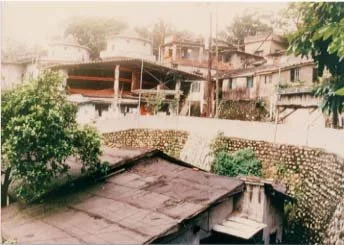
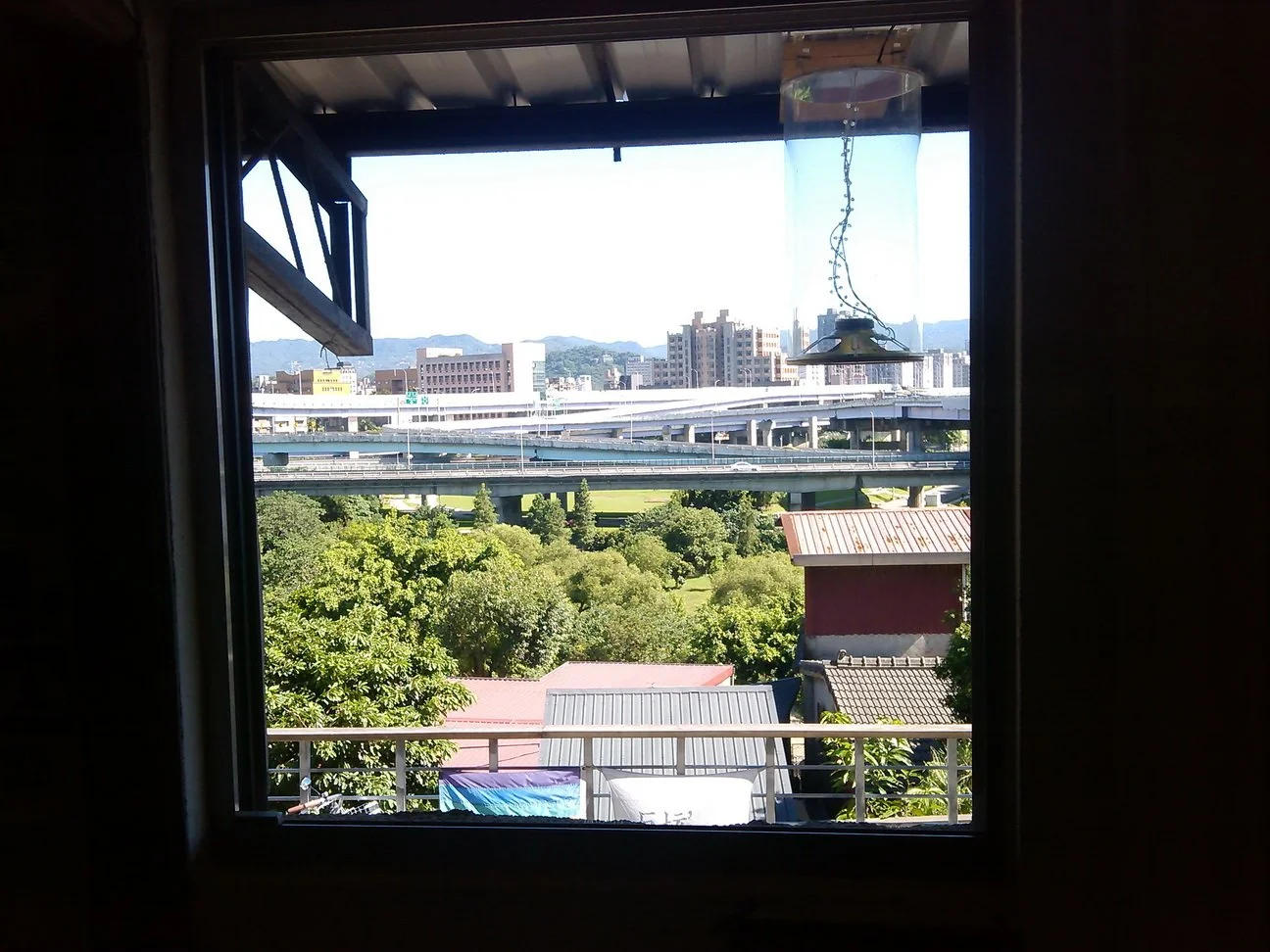
The discussion initiated by Treasure Hill No.29 continues in the Creative Lounge. A light box installed outside the right window of the Lounge shows an image of another window from a historical remain locating opposite. These two windows sat in two different architecture structures, but lives as a pair of relative visual symbols. The invisible horizontal line in between subtly intrigues time foldings in space, once again shows the connection of the visual perception mechanism and spatial field. In the rooms of Creative Lounge showcase a great number of historical documents and photos of the residents. They are the embodiment of the gone past. They serve as a platform where the participating individuals recognize, perceive and acknowledge one another. The unlived past and unidentified memory, which were veiled by time, are now compared in the exhibition and reborn by interaction with and imagination of the viewers. Images of Treasure Hill in different periods documented from various aspects are shown. They are not mere imagination or speculation but a diverse reconstruction of history. History constructed in the two parts contains irretrievable pieces of “times”. “Unauthorized occupancy” is highly symbolic and thought-provoking. A space is created for further discussions to take place. Since epistemology cannot be applied, the relation between individuals and history is emphasized. The viewers are reminded that before they form a relation with an object, they must learn its past to comprehend its stand in contemporary society.
Times of Unauthorized Occupancy provides the viewers with a key to public discourse and historical interpretation. When the viewers wander in the lanes of Treasure Hill with the key, they disassemble and construct history and the past, and being able to use languages and words to convey, persuade and debate. The exhibition serves as a public domain where history interacts with contemporary discourses. The depth in space comes from time. Residents, artists, organizers and tourists all wander in Treasure Hill with their own purposes. The community is private to the residents yet public to the citizens. The line between private and public has been blurred. Different purposes clash in the community. Only in imagination exists a sense of community, with which the spirit of Treasure Hill is summoned. As a result, a new public history is created at the present-time.
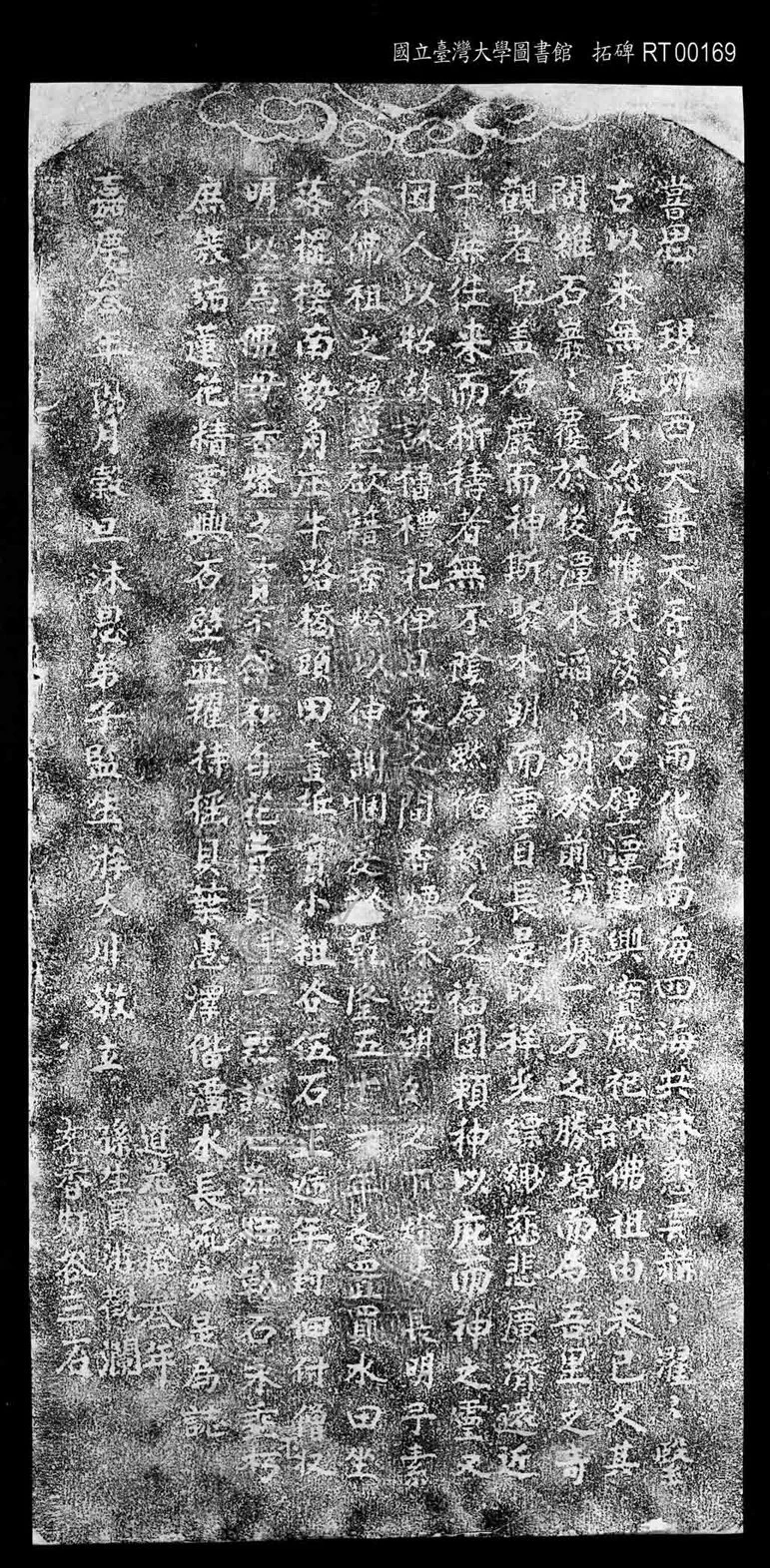
Research Process Materials
Publication